
BVLOS for Public Safety: Beyond Visual Line of Sight Drone Rules, Waivers and Part 108 for Your DFR Program

By John Henry
A beyond visual line of sight drone can extend the reach of a Drone as First Responder (DFR) program, helping public safety teams gain aerial awareness beyond the immediate view of a remote pilot. But the operational value depends on a clear FAA authorization path, documented procedures and community trust.
As of publication in October 2026, the FAA’s proposed Part 108 rule is still under review at OIRA. The FAA has expressed hope that a final rule will publish by the end of 2026, but that is an expectation, not an effective date or permission to fly. We see this waiting period as runway, not downtime: agencies can strengthen their operating plans now while continuing to fly only within their current approvals.
Operational note: This article provides general information, not legal advice. FAA requirements depend on the operation and the agency’s authority. We recommend confirming the appropriate path with qualified aviation and legal professionals.
What Part 108 Means for a Beyond Visual Line of Sight Drone
Part 108 is intended to establish a more scalable framework for certain beyond-visual-line-of-sight operations. The FAA’s 2025 notice was a proposed rule, and the rulemaking remains under review. The OIRA review record lists it as pending. Until a final rule is published and takes effect, Part 108 is not an operating authorization.
The practical distinction matters. A proposed rule can help agencies anticipate future requirements, but it does not replace the authority needed to conduct today’s flights. The FAA’s public safety BVLOS guidance states that public safety operations must comply with Part 107 or the applicable Certificate of Waiver or Authorization (COA), as relevant.
For DFR leaders, the current task is twofold: operate within existing authority and prepare a program that can adapt when the final rule and its effective date are clear.
Three Current Paths for BVLOS Operations
The right pathway depends on the type of operation, the agency’s aviation status, existing approvals and whether the mission is routine or an emergency.
1. Part 107 waiver for planned, non-emergency operations
For a civil operation under Part 107, routine BVLOS generally requires an FAA waiver from the visual-line-of-sight requirement in §107.31. The FAA reviews the proposed operation and its safety case; a public safety purpose does not itself authorize BVLOS.
The FAA Part 107 waiver guidance explains that applications should describe the operation, identify hazards and detail mitigations. A waiver only covers the provisions and conditions it specifies. Airspace authorization and other applicable requirements may still need to be addressed separately.
For a DFR program, this path requires a well-defined operating area, aircraft and personnel details, operating procedures, risk controls and contingency plans. It is an application process, not a blanket approval for every route, aircraft or mission.
2. Special Governmental Interest (SGI) process for emergencies
The SGI process supports qualifying, time-sensitive emergency operations. The FAA identifies examples such as firefighting, search and rescue, law enforcement, and critical infrastructure restoration in its emergency operations guidance.
For a Part 107 operation, an eligible remote pilot can request a temporary emergency waiver through the FAA’s process. For a public-aircraft operation, the process may support a temporary amendment to an existing COA. The FAA describes approvals as limited to specified operations and conditions; operators must not fly outside their current authority if a request is denied.
SGI is an emergency pathway, not a substitute for planning routine DFR coverage. Agencies should understand the request process and escalation contacts before an emergency occurs, then verify the authorization terms before flight.
3. Existing COA authority
A public agency operating as a public aircraft may conduct operations under its COA. The key question is whether that COA specifically covers the proposed BVLOS operation. If it does not, the agency must obtain the appropriate authorization or amendment before conducting that operation.
We recommend reviewing the COA’s operational area, aircraft, personnel, mission conditions and emergency provisions as part of DFR readiness. A COA is not automatically a BVLOS approval simply because it is current or supports public safety flights.
Use the Waiting Period as Preparation Runway
A strong DFR program does not wait for a new rule to begin its readiness work. We help agencies organize the people, processes and technology that support safer, more transparent operations under current approvals, and prepare them to evaluate future requirements.
Build the documentation before the application
Create a clear concept of operations that describes the mission, launch and recovery points, routes, operating area, airspace, staffing model, communications and supervision. Document hazard assessments, operating limits, lost-link and contingency procedures, maintenance responsibilities, training and recordkeeping.
Standardized documentation also improves internal coordination. Aviation leads, dispatch, IT, legal counsel, procurement and command staff can work from the same operating picture.
Evaluate docks and detect-and-avoid capabilities
Assess dock locations, power, connectivity, physical security, maintenance access and coverage. Identify the detect-and-avoid functions required for the planned operation, how those functions will be evaluated, and how equipment and software will work together in the specific configuration.
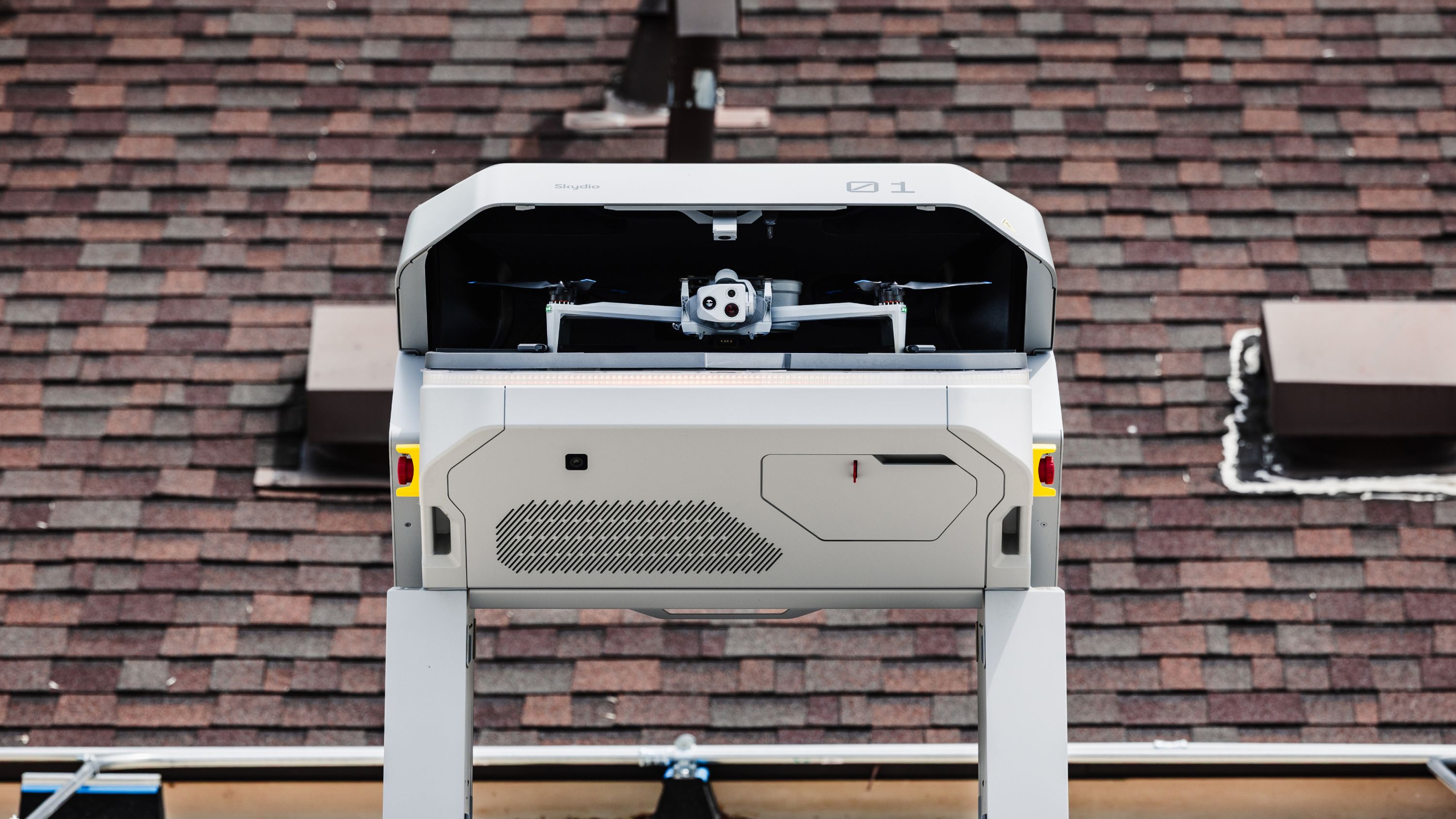
A dock supports launch and recovery; it does not grant BVLOS authority. Technology selection should be tied to the agency’s approved procedures and safety case, not treated as a substitute for either.
Establish privacy and transparency early
Community confidence is part of long-term program readiness. We recommend developing a plain-language explanation of eligible missions, who may authorize a launch, how video is handled, how long records are retained, and how the public can find program information or submit concerns.
Legal, records-management and privacy stakeholders should help shape these practices before routine operations begin. Our post on how DFR footage becomes evidence explores the related importance of reliable records and evidence workflows.

Keep the Whole DFR Program in View
BVLOS is one part of a broader operational model. The aircraft, dock, communications, staffing, dispatch integration, cybersecurity, records management and procurement approach must work together.
We recommend that agencies:
- Confirm authority: Match each planned mission to its current waiver or COA conditions.
- Document operations: Keep procedures, training records, maintenance plans and mission records current.
- Test the system: Validate connectivity, alerts, contingency procedures and coordination among operators and dispatch.
- Explain the program: Make privacy protections, operating policies and public-facing information part of the initial design.
- Plan for change: Track Part 108 rulemaking updates, then review the final rule and effective date before changing operations.
A useful DFR framework is available in our program overview. For acquisition planning, see our guide to DFR funding and budget paths.
Our Role: Readiness and Procurement Support
At Grace3 Technologies, we support public-sector teams and their technology partners as they plan and procure customized public safety capabilities. We connect autonomy and robotics with communications, cybersecurity, geospatial awareness and records management, so agencies can shape a solution around their operational requirements.
We also provide access to contract vehicles that can simplify the purchasing process.
Move the Program Forward
The Part 108 review period is a practical opportunity to strengthen the DFR foundation: confirm current authority, organize the safety case, assess standardized dock and detect-and-avoid needs, and explain privacy practices clearly. When the final rule is published and takes effect, agencies will be better positioned to assess what changes apply to their operations.
- Explore our Public Safety and Autonomy & Robotics solutions.
- Review our contract vehicles.
- Request a quote for a compliant quote in 45 minutes or less for qualified requests.